
WordPress 7.1 is the first release tied to a formal merge proposal from the Gutenberg Components Team that would introduce a foundational design token and theming system into WordPress core. Part of the admin design roadmap that has been in progress since 2023, the proposal is currently open for community feedback before committer review. Its initial scope covers how the admin interface handles color, typography, and visual consistency.
The practical output is two new core-registered assets: a stylesheet and a JavaScript package, both named wp-theme. The stylesheet delivers a set of CSS custom properties covering color, borders, elevation, and typography. The JavaScript package provides a single React component called ThemeProvider, which allows developers to apply or extend the default theme within a specific area of the admin UI.
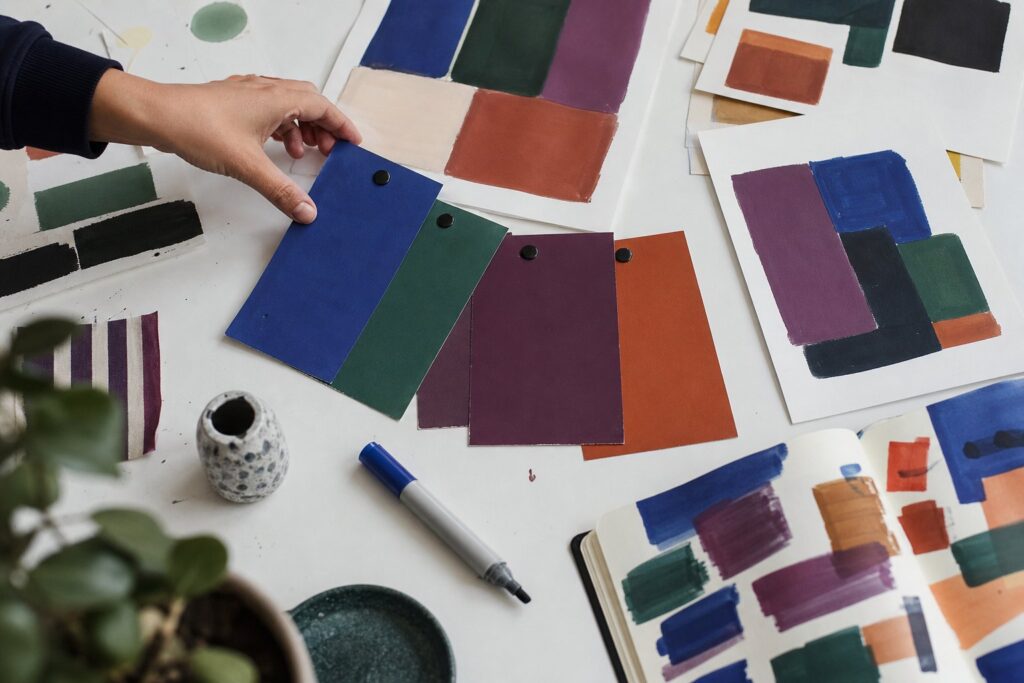
Rather than hard-coding visual values inside individual components, the system uses design tokens — named variables tied to semantic purpose, such as “primary background” or “accent color” — so that a single change cascades consistently across the interface. The proposal outlines three distinct groups that stand to benefit from this approach:
- Users
- Greater control over admin appearance, with the existing color palettes preserved and future options like interface density or roundness possible in later iterations.
- Plugin developers
- A way to opt into WordPress theming so that future style improvements are inherited automatically, with a comprehensive token set aligned to semantic purpose to guide styling decisions.
- WordPress core development
- A direct mechanism for extending user color schemes across the full admin interface and implementing features like a native dark mode, since admin surfaces are controlled by a background seed color.
One concrete feature arriving in WordPress 7.1 is the application of the user-selected admin color scheme to the Site Editor, powered directly by this theming implementation. Beyond that, the default theme has been designed to closely mirror existing styles, so most users will notice improved consistency rather than a visual overhaul.
The token format follows the Design Tokens Community Group specification published by the W3C, which reached its first stable version late last year. That alignment means tokens can be imported directly into Figma as variables — which recently added native design token import support — making them usable in design workflows without manual translation. The spec’s semantic structure also makes the token set machine-readable, helping developers and AI agents consistently choose the right styling for a given UI element.
This work has accumulated since 2022. A Figma library for the WordPress design system launched in November 2024, and the Gutenberg Components Storybook was significantly expanded the same year. The current proposal addresses a recurring pain point illustrated by the WordPress 7.0 visual refresh, where maintaining consistent styles across the admin required a large manual effort tracked in core Trac ticket #64308.
Features not yet targeted for 7.1 include universal availability of the wp-theme stylesheet across all admin screens (currently it will only be enqueued where the theming feature is actively used), full adoption across non-React admin screens, and formal dark mode support. Developers who need the stylesheet sooner can enqueue it manually. The merge proposal is open for community feedback in the Make WordPress Core comments, with particular interest in any implementation risks or conflicts.